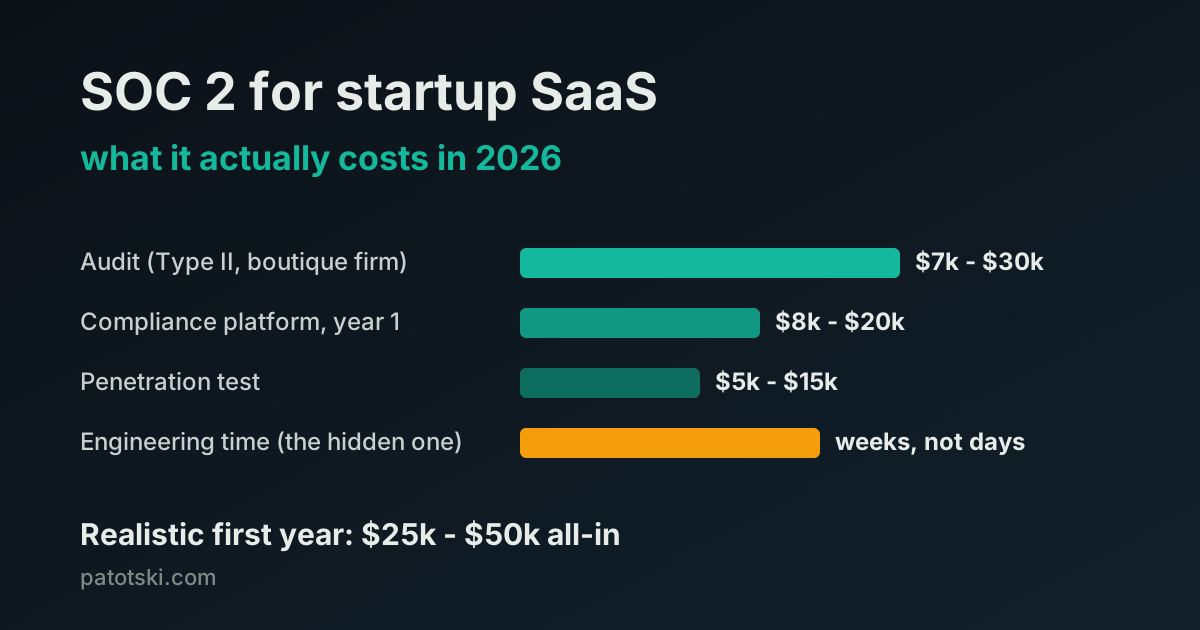

SOC 2 for SaaS Startups: What It Actually Costs in 2026
Audit fees, compliance platforms, pentests, and the engineering time nobody budgets. A realistic first-year SOC 2 number for a single-product SaaS team under 50 people, with sources.
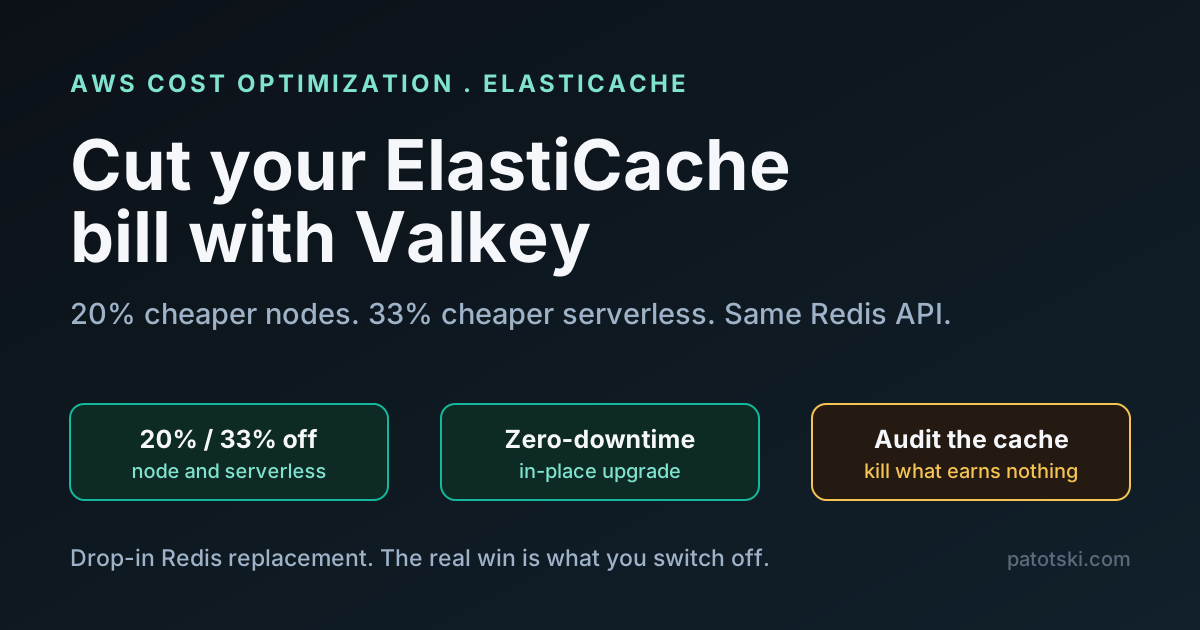
Valkey is 20% cheaper than Redis on nodes, 33% cheaper on serverless, and the only ElastiCache engine eligible for a Database Savings Plan. Wire-compatible, in-place upgrade. The bigger win is the audit it forces: what you are caching and what you can switch off.
Karpenter can take 20 to 40 percent off your EKS compute bill, more with Spot, without refactoring a line of app code. Why it beats Cluster Autoscaler, the audit sequence to roll it out safely, and the gotchas that quietly cost people money.
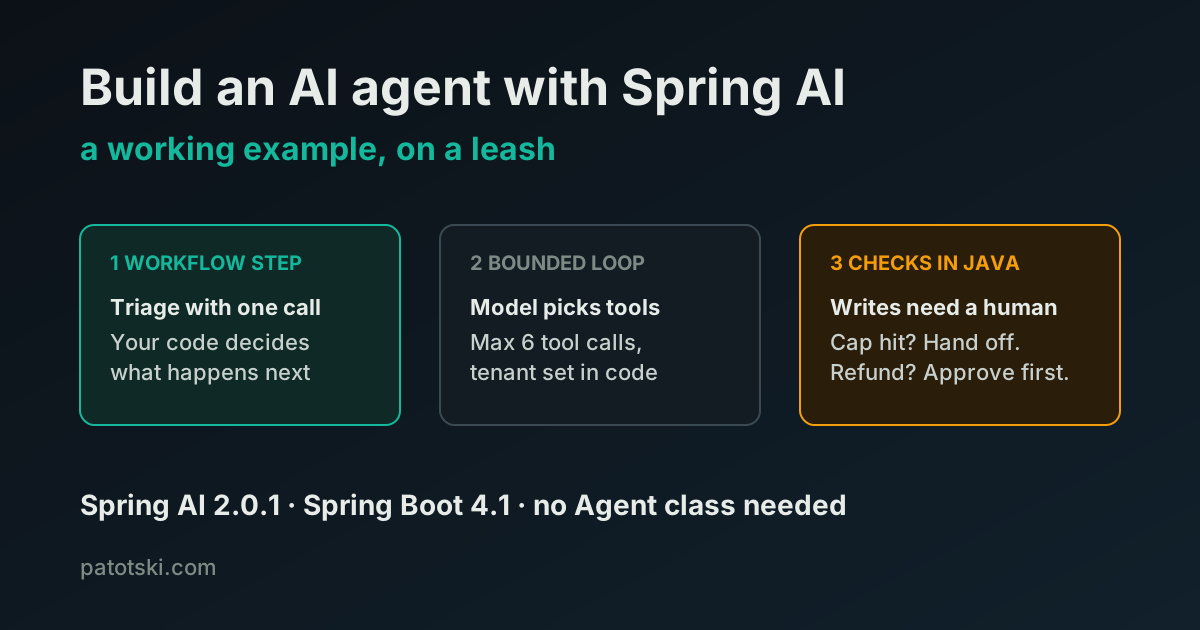
On a well-built Spring Boot app, exposing your product to AI agents is almost trivial: annotate a service method, add one starter. The wiring is the easy part. Choosing what to expose and securing it is the real work. Here is the honest version, on Spring AI 2.0.
Turning on RDS encryption satisfies the compliance question and stops almost none of the attacks that actually leak data. Here is what each layer of encryption at rest really defends against, on Postgres and AWS, and how to build the one that protects the sensitive field.
RAG means handing your AI the right page from your own documents before it answers. It is powerful when your knowledge base is large, changing, or per-customer. It is also something a lot of teams build too early. Here is the honest decision.